316L vs 304 Stainless Steel: Why Your Coffee Tastes Metallic
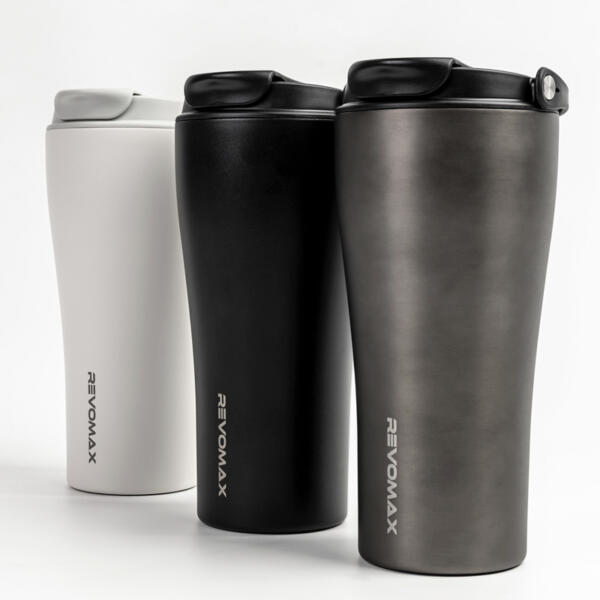
The Short Answer: The main difference between 304 and 316L stainless steel is Molybdenum. Standard 304 steel lacks this element and can react with acidic drinks (like coffee), causing a metallic taste. Revomax uses Medical-Grade 316L steel, which resists acid and salt corrosion, ensuring your drink tastes exactly as intended.
The “Coin Taste” Problem
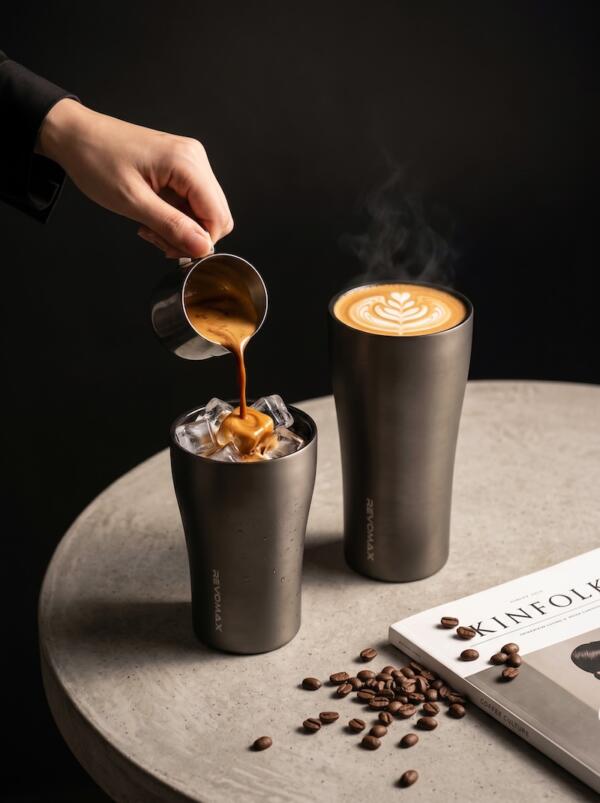
Have you ever taken a sip of coffee from your insulated bottle, only to detect a faint, sharp metallic flavor? It tastes a bit like licking a coin. Many people blame the water, but the culprit is often the bottle itself. Most brands use Grade 304 (18/8) Stainless Steel, which is vulnerable to the acids found in coffee and carbonated drinks.
What is the Difference Between 304 and 316L?
To understand why Revomax upgraded to 316L, we need to look at the chemistry:
-
Grade 304 (Standard): Used in kitchen forks and standard flasks. It contains 18% Chromium and 8% Nickel but has zero Molybdenum.
-
Grade 316L (Medical/Marine): Used in surgical implants and high-end diver’s watches. It includes 2-3% Molybdenum, which creates a shield against corrosion.
| Feature | Standard 304 Steel | Revomax 316L Steel |
| Cost | Low | High (Premium) |
| Corrosion Resistance | Moderate | Excellent |
| Coffee Taste | Risk of Metallic Taste | Pure Flavor |
| Salt/Sports Drinks | Not Recommended | Safe |
| Carbonated Drinks | Risk of Corrosion | Safe |
Why Upgrade to Revomax 316L?
If you only drink water, 304 is fine. But for the modern lifestyle, you need more:
-
For Coffee Lovers: The acidity in hot coffee attacks 304 steel over time. Revomax’s 316L interior is inert, preserving the delicate notes of your single-origin beans.
-
For Soda & Fizzy Drinks: Combined with our threadless pressure-relief valve, the 316L body resists carbonic acid, making Revomax the best bottle for carbonated beverages.
Invest in Your Health
Don’t settle for a metallic aftertaste. Upgrade to surgical-grade purity today.